Aug 20, 2026News & Insights
ZJY vs. SMR Gearboxes: Functions, Applications, Pricing, Similarities and Differences
ZJY and SMR are shaft mounted gearboxes for conveyors, mining and bucket elevators. ZJY offers better cost performance, while SMR has a mature range and strong market recognition.
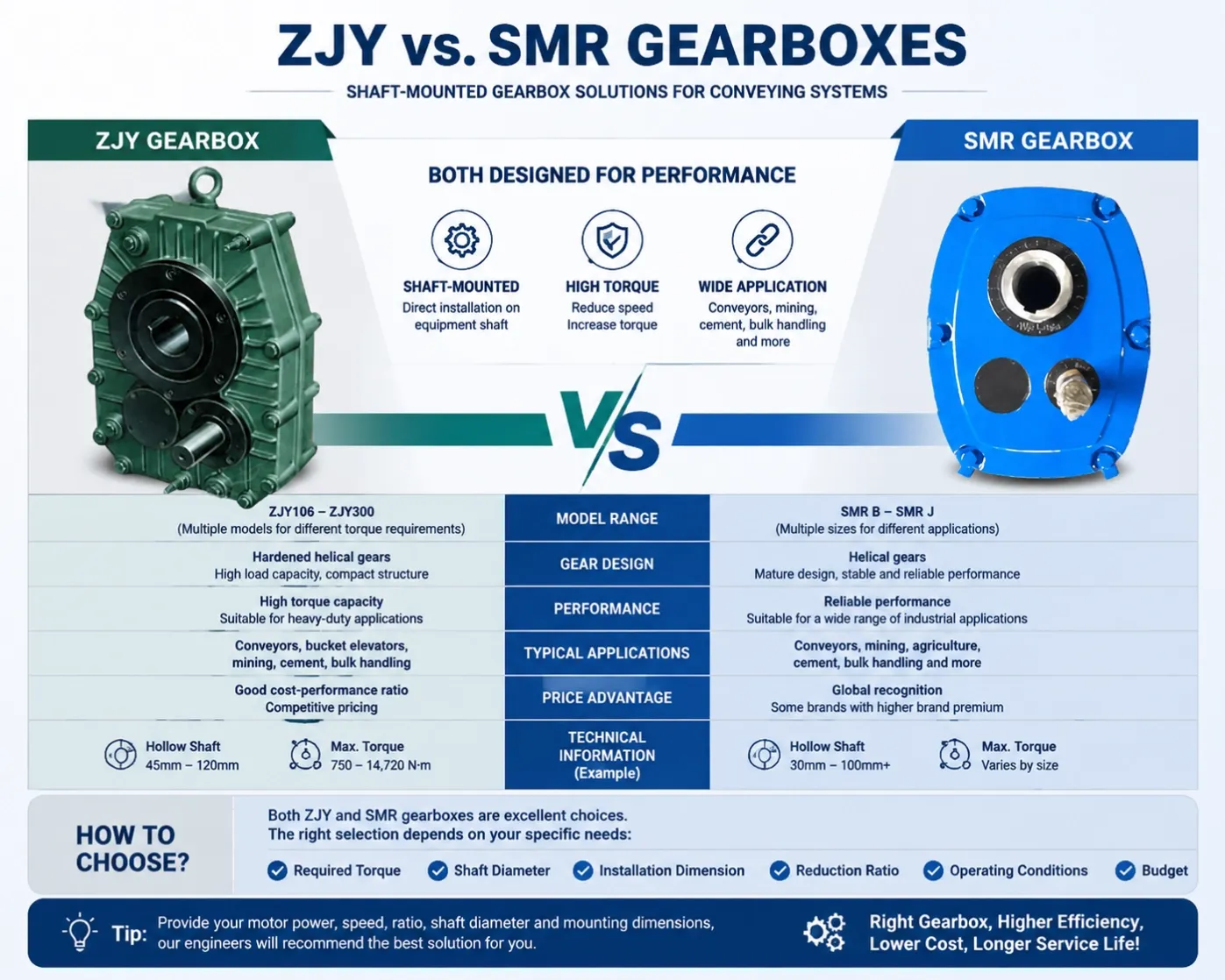
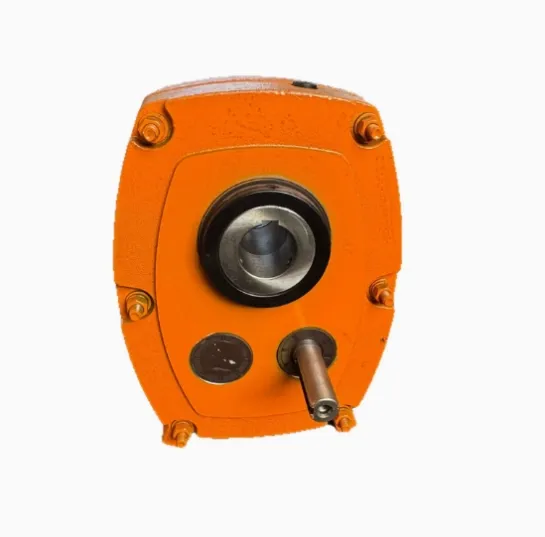
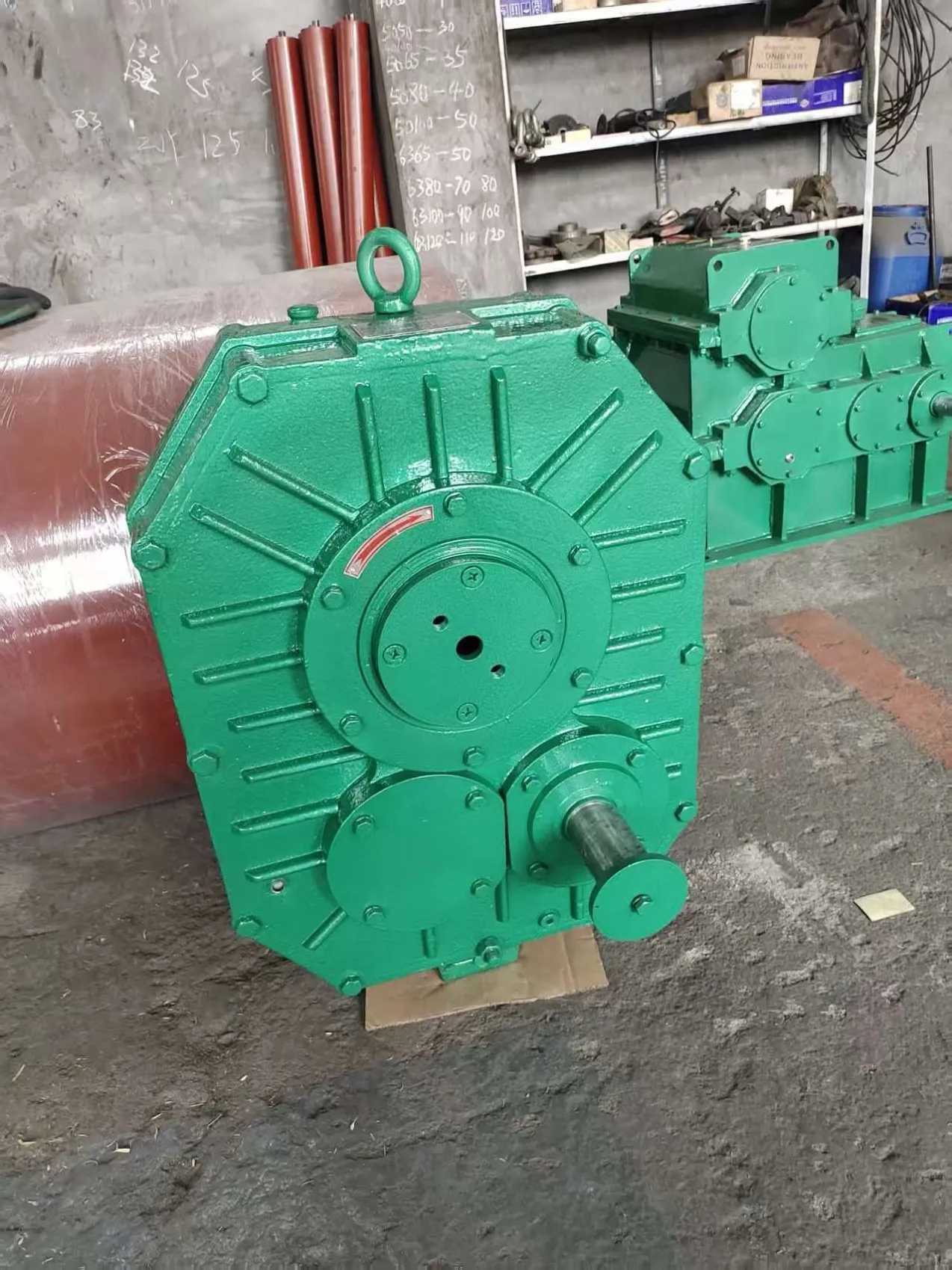
In conveyor systems, mining equipment, bucket elevators, and bulk material handling systems, ZJY and SMR gearboxes are both commonly used shaft-mounted gear reducers.
Both are designed to reduce motor speed, increase output torque, and transmit power directly to the driven shaft of the equipment.
This often leads customers to ask:
What is the difference between ZJY and SMR gearboxes? Can they replace each other? And which one is more cost-effective?
The answer is not simply that one is “better” than the other. The right choice depends on the equipment structure, required output torque, speed ratio, installation dimensions, operating conditions, and budget.
- What Do ZJY and SMR Gearboxes Have in Common?
The biggest similarity between ZJY and SMR gearboxes is their shaft-mounted design.
Unlike conventional gearboxes that may require a separate base, coupling, or other transmission components, shaft-mounted gearboxes can be installed directly onto the driven shaft of the equipment and secured with a torque arm.
This makes the transmission system more compact and can reduce the number of intermediate transmission components.
Both ZJY and SMR gearboxes are commonly used in:
- Belt conveyors
- Mining equipment
- Bucket elevators
- Scraper conveyors
- Bulk material handling systems
- Cement and building material equipment
- Other heavy-duty conveying applications 2. Similarities in Working Principle
Both ZJY and SMR gearboxes use gear transmission to reduce speed and increase output torque.
For example, if a motor runs at 1,500 rpm and the gearbox has a 20:1 reduction ratio:
1,500 ÷ 20 = 75 rpm
The gearbox reduces the rotational speed while increasing the output torque, allowing the equipment to operate at a lower speed with higher torque.
In simple terms, both products solve the same fundamental problem:
Reduce speed, increase torque, and reliably transmit power to the driven equipment.
- What Are the Main Features of SMR Gearboxes?
SMR is a widely recognized type of shaft-mounted gearbox used in industrial transmission applications.
Its main advantages can be summarized as:
Mature design, wide application range, comprehensive specifications, and strong international market recognition.
Common SMR sizes include B, C, D, E, F, G, H, and J, with different sizes designed for different shaft diameters and load capacities.
Typical reduction ratios include 5:1, 13:1, and 20:1, although the available ratios depend on the specific manufacturer and model.
Advantages of SMR Gearboxes
① Wide range of applications
SMR gearboxes can be used in mining, aggregate, cement, grain handling, bulk material conveying, and many other industries.
② Easy installation
The hollow output shaft can be directly mounted onto the driven shaft, while a torque arm is used to secure the gearbox.
③ Convenient maintenance
The shaft-mounted design eliminates some traditional transmission components, making installation and maintenance relatively convenient.
④ Mature product system
SMR has been widely used in international markets. For customers who are already using SMR gearboxes or looking for an SMR replacement, the product structure and specifications are relatively familiar.
- What Are the Main Features of ZJY Gearboxes?
If SMR focuses on a mature shaft-mounted design and broad market application, ZJY gearboxes are particularly known for their:
High load capacity, compact structure, and suitability for heavy-duty conveying equipment.
ZJY gearboxes generally use hardened helical gears. Depending on the manufacturer and specific configuration, the gears may undergo carburizing, hardening, grinding, and other processes to achieve high strength and wear resistance.
Common ZJY models include:
ZJY106, ZJY125, ZJY150, ZJY180, ZJY212, ZJY250, and ZJY300.
Different models are designed for different output shaft diameters, torque capacities, and equipment requirements.
- The Biggest Difference Between ZJY and SMR: Product Positioning
This is one of the most important points for customers to understand.
Although both are shaft-mounted gearboxes, ZJY and SMR cannot automatically be considered 100% interchangeable simply because they have similar structures.
They may differ in:
- Overall dimensions
- Output shaft diameter
- Input shaft dimensions
- Mounting dimensions
- Reduction ratios
- Output torque
- Rated motor power
- Torque arm dimensions
Therefore, when replacing an SMR gearbox with a ZJY gearbox, or vice versa, customers should first confirm:
Motor power + input speed + required output speed + output torque + shaft diameter + mounting dimensions.
These parameters are much more important than simply comparing model numbers.
- Which One Is More Expensive: ZJY or SMR?
This is a very practical question during the purchasing process.
However, it would be inaccurate to simply say:
“ZJY is always cheaper than SMR.”
It would be equally inaccurate to say:
“SMR is always more expensive than ZJY.”
The price of a gearbox is affected by many factors, including:
Gearbox size
Reduction ratio
Output torque
Shaft diameter
Gear material
Bearings
Sealing system
Machining accuracy
Configuration
Order quantity
Brand
For example, the price difference between different SMR sizes can be significant. The same applies to different ZJY models.
Therefore, a meaningful price comparison should be made between products with:
Similar motor power + similar reduction ratio + similar output torque + similar shaft diameter + similar configuration.
Only then can the actual price-performance ratio of ZJY and SMR be properly evaluated.
- Why Can ZJY Sometimes Offer Better Cost Performance?
From a purchasing perspective, one of the major reasons for price differences between ZJY and SMR can be related to:
Brand positioning, market positioning, supply chains, and manufacturing costs.
SMR has a well-established international market presence, and some branded SMR products may therefore include a higher brand premium.
ZJY, on the other hand, is widely produced within China's industrial gearbox supply chain, where manufacturing and supply-chain costs can provide certain advantages.
Therefore, for projects where the customer does not have a mandatory brand requirement but focuses on:
Torque capacity
Gear strength
Reliability
Installation dimensions
Service life
Overall purchasing cost
ZJY can sometimes provide a competitive alternative to SMR.
However, this does not mean:
“ZJY is cheaper, therefore its quality must be lower.”
That conclusion is too simplistic.
The more meaningful comparison is performance and expected service life relative to the total cost.
- When Is SMR a Better Choice?
If the existing equipment already uses an SMR gearbox, and:
The equipment was originally designed around SMR dimensions
A direct replacement is required
Existing spare parts need to remain standardized
The customer specifically requires an SMR gearbox
Brand compatibility is important
then continuing with SMR may be the simpler solution.
For equipment that is already in operation, dimensional compatibility is often more important than simply pursuing the lowest gearbox price.
Saving a few dollars on the gearbox but having to modify the shaft, support structure, torque arm, or pulley position is not necessarily a good deal.
- When Should You Consider ZJY?
If you are designing new conveying equipment or looking for an alternative to an SMR gearbox, ZJY is worth considering.
This is particularly true for:
Mining equipment
Aggregate equipment
Cement and building material equipment
Belt conveyors
Bucket elevators
Heavy-duty conveying systems
For these applications, customers usually care more about:
Is the torque sufficient?
Is the gear strength sufficient?
Does the output shaft match the equipment?
Is installation convenient?
Can it operate reliably for long periods?
What is the total purchasing cost?
The gearbox brand itself is only one part of the decision.
- ZJY vs. SMR: How Should You Choose? Comparison ZJY SMR Product type Shaft-mounted gear reducer Shaft-mounted gear reducer Main function Speed reduction and torque increase Speed reduction and torque increase Typical applications Conveyors, bucket elevators, mining equipment Conveyors, mining, bulk material handling Installation Shaft-mounted Shaft-mounted Output design Hollow shaft commonly available Hollow shaft commonly available Gear design Hardened helical gears and other configurations Helical gear design Specification range ZJY106–ZJY300 and others B–J and others Market positioning Strong industrial application focus High international market recognition Replacement Can replace certain SMR applications after verification Can replace certain ZJY applications after verification Price Often offers strong cost-performance potential Some brands may carry a higher brand premium Key selection factors Torque, shaft diameter, mounting dimensions Torque, shaft diameter, mounting dimensions
It is important to emphasize:
“Replaceable” does not mean “directly interchangeable.”
Before replacing one gearbox with another, the technical drawings and key dimensions must be carefully checked.
- Professional Gearbox Selection Should Not Focus on Price Alone
For industrial gearboxes, price is only one part of the purchasing decision.
The real cost of a gearbox should be considered as:
Purchase price + transportation cost + installation cost + maintenance cost + downtime risk + service life.
A cheaper gearbox that needs to be replaced after one year may actually cost more than a slightly more expensive gearbox that operates reliably for many years.
Therefore, whether you choose ZJY or SMR, we recommend confirming the following parameters first:
Motor power
Motor speed
Reduction ratio
Required output speed
Required output torque
Driven shaft diameter
Mounting dimensions
Operating hours
Load characteristics
Whether a backstop device is required
Once these parameters are confirmed, ZJY and SMR can be compared based on performance, compatibility, reliability, and total cost.
Conclusion: There Is No Absolute “Winner” Between ZJY and SMR
Although ZJY and SMR are both shaft-mounted gearboxes, they should not simply be treated as the same product under different names.
Their main similarity is that both provide compact and efficient speed-reduction solutions for conveying and other heavy-duty applications.
Their differences are mainly reflected in:
Specification systems, mounting dimensions, load capacity, product positioning, market recognition, and total purchasing cost.
For equipment that already uses SMR, the priority should be dimensional compatibility and direct replacement.
For new equipment projects, it is worth comparing ZJY and SMR based on torque, reduction ratio, mounting dimensions, service life, reliability, and total cost of ownership.
The best gearbox is not necessarily the most expensive or the cheapest one. It is the gearbox that best matches the actual operating conditions of your equipment.
If you are looking for an alternative to an SMR gearbox or need to compare specific ZJY and SMR models, provide the motor power, motor speed, reduction ratio, output shaft diameter, and mounting dimensions. A professional gearbox supplier can then recommend the most suitable solution based on the actual application.